Emergency dental treatment, toothache & self-help ideas (valid through 2026)
These general tips and self-help dental treatment ideas for 2026 and beyond are for people in the UK with dental emergencies, toothache, accidents etc. They are NO substitute for getting qualified, personal advice and care directly from your Dentist or Doctor as soon as possible.
We strongly emphasise the importance of getting dental professional help directly and as soon as possible. However, dental access – especially via NHS routes in England – has become more difficult and variable, as many national reports and investigations have shown over recent years.
For example: NHS Dental crisis in England – systems still failing beyond 2022 .
NOTE: Everyone in the UK can get medical or dental advice 24 hours a day by calling NHS 111. Please don’t delay if you are worried.
Find an Emergency Dentist in Bradford or Leeds NOW if you can’t see your own Dentist quickly – call 111 if you are in the UK!
Dr.Kilcoyne has campaigned nationally for better Dental Emergency clinics and the 111 service for EVERYONE, on mainstream TV and in the wider press too.
Dr Kilcoyne’s Expertise & Media Work »
If you might have a serious or life-threatening emergency – act NOW
Call 999 immediately or go straight to your nearest Accident & Emergency (A&E) department if you have any of the following:
- Heavy bleeding from the mouth or socket that does not slow down after 10 minutes of firm pressure with a clean pad.
- Swelling in the face, mouth or neck that is getting worse, making it hard to swallow, breathe or open your mouth.
- Loss of consciousness at any point after a blow to the head, face or jaw – even if the person “came round” quickly.
- Serious injury to the jaw or face – teeth not meeting properly, obvious deformity, severe pain after trauma.
- Any dental infection where you feel very unwell (fever, shivers, confusion, or feeling faint/collapsing).
Do not wait to see if things improve. Your general health always comes before any individual tooth.
Rapidly spreading infections in children or adults can distort the face and threaten the airway if left untreated. The photos below show significant swelling from dental infection that needed urgent treatment:
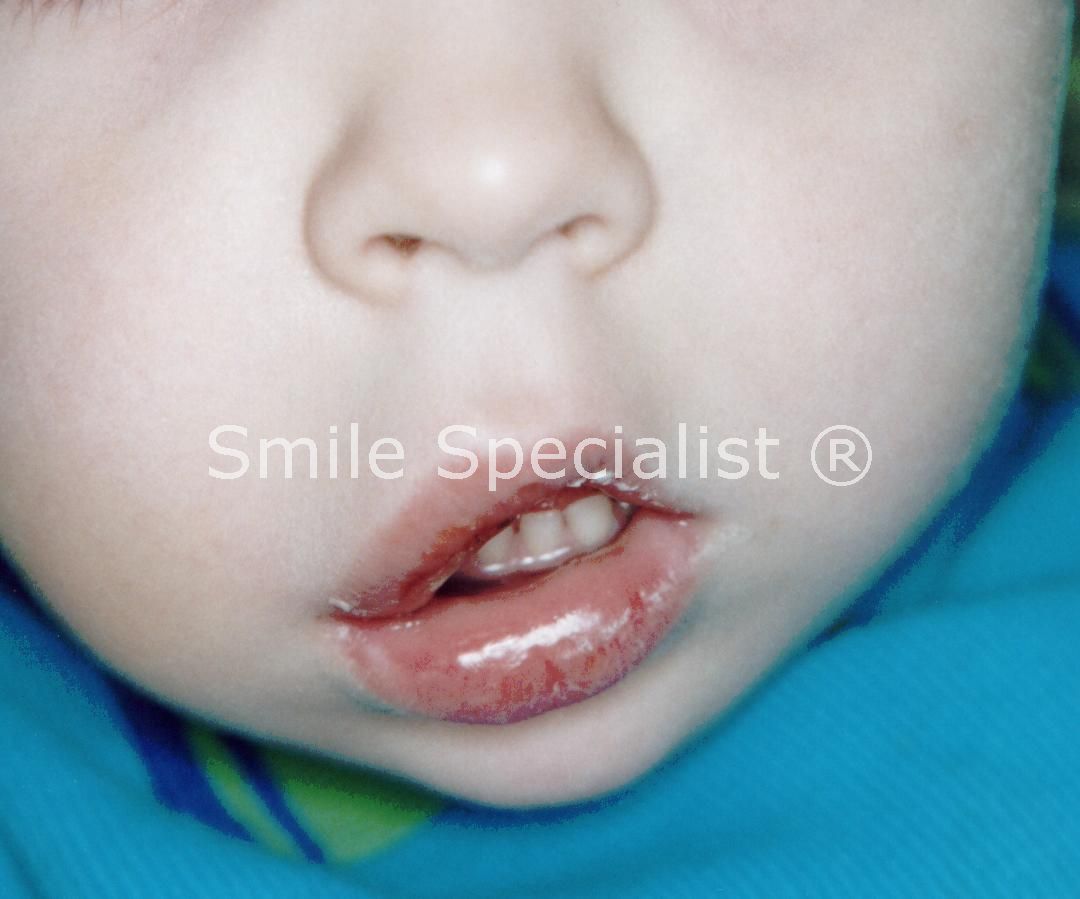
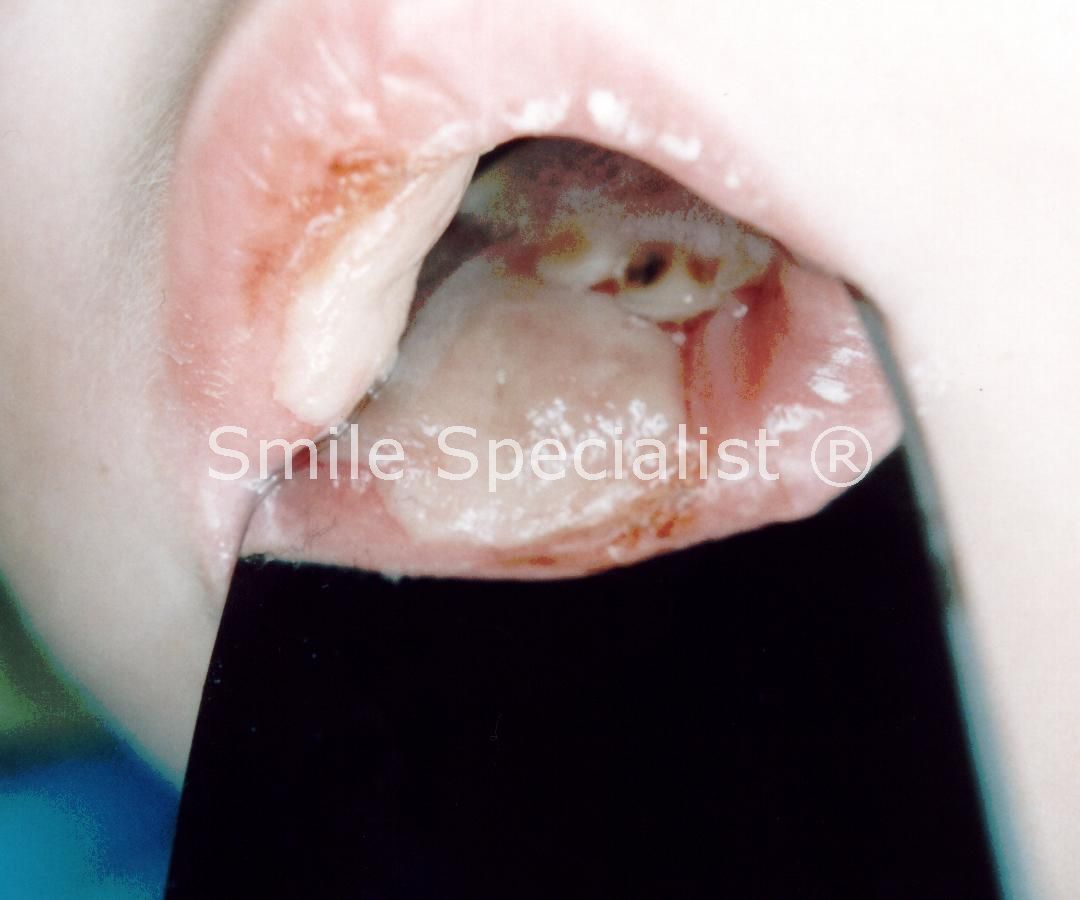
All of the above emergencies often need immediate medical assistance from Hospital A+E.
They will usually involve a Specialist Oral Surgeon or on-call dental team once the patient is stabilised medically.
NHS 111 – 24/7 medical and dental advice (but toothache often not classed as an “emergency”)
Official NHS systems in England have, for many years, often not regarded toothache alone as a “dental emergency”, no matter how bad the pain is. This has been a source of huge frustration for patients and dental professionals.
In 2012, for example, NHS Direct’s own website stated that toothache – however severe – was not considered a dental emergency:

That said, the current NHS 111 system is better funded than the old NHS Direct service was, and many more emergency sessions are now available in some areas. It is still far from perfect, but it is the right place to start if you do not have a dentist who can see you urgently.
If you are in the UK you can call 111 24 hours a day, 7 days a week for medical or dental advice.

If you are abroad, you can usually still call the UK via your phone provider using the UK code +44 and follow local medical emergency guidance as well.
Why are dental emergencies and toothaches so common now?
In England, the NHS dental system has struggled for many years, and access has become even more difficult since registration was abolished in 2006. Many people mistakenly believe they are still “registered” with an NHS dentist, when this is no longer the case once a course of treatment has finished.
As a result:
- More people are left in pain for longer, waiting on hidden lists or being turned away because no NHS places are available.
- Teeth and gums deteriorate, resulting in more toothaches, infections and extractions.
- Some people resort to DIY dentistry or risky options abroad (see below).
Toothache is usually a late sign of dental disease, not an early warning. By the time it hurts, the problem has often been present for months or years.

Prevention and regular check-ups remain the best long-term answer – but this page is here to help you reduce risk and discomfort if you cannot access care quickly.
Urgent but not life-threatening dental problems – what to do
If you do not have the red-flag symptoms listed in the emergency section above, but you are still in pain or distress, the usual order of action in the UK is:
- Contact your own dentist first – even if you usually see them on the NHS. Most practices have an emergency number or advice line on their answerphone or website.
- If you cannot reach them or are not currently a patient there, call NHS 111 and explain your symptoms clearly. They will triage you and may arrange an NHS Urgent Dental appointment if one is available.
- Ask a pharmacist for pain relief and temporary products while you wait to be seen. Many larger supermarkets and pharmacies carry dental pain relief, mouthwashes and temporary filling/crown kits.
- If appropriate, you may choose to see a private dentist for faster emergency care.
Unfortunately, official NHS definitions now often class toothache and many urgent problems as “urgent” rather than “emergency”, so you may be asked to wait hours or days. The self-help ideas below are designed to help you cope more safely while you seek professional care – they are not a cure.
Our emergency appointments – private “get you out of pain” visits
The SmileSpecialist® Centre in Haworth is a 100% Private Dental Practice. We do not provide NHS treatment, but we do offer a limited number of emergency appointments designed to:
- Assess the cause of your pain or urgent dental problem.
- Provide short-term treatment to get you out of pain or stabilise the problem.
- Advise you on options for further treatment, prevention and long-term solutions.
These emergency visits are on a fixed-fee, “get you out of pain only” basis, and spaces are limited. They are meant as a practical local service, not the main focus of this page.
Wherever you are in the UK, the guidance below is offered in good faith to help you think through safer options while you arrange proper care.
Self-help ideas while you are waiting to see a professional
Important: The suggestions below are general information for adults in the UK. They cannot take into account your full medical history, allergies or other medicines. Always:
- Read and follow the instructions on any medicines or products.
- Ask a pharmacist, Dentist or Doctor if you are unsure what is safe for you.
- Never exceed the recommended doses, and never mix medicines without checking first.
- Do not give aspirin or aspirin-containing products to children under 16 unless specifically prescribed.
Toothache usually happens because:
- The nerve inside the tooth is still alive but inflamed and irritated by decay, cracks or infection – often giving sharp pain to hot, cold or sweet things.
- The nerve has died and an abscess is forming around the root – sometimes causing throbbing pain, tenderness to biting, swelling or a bad taste.
Both situations usually need proper dental treatment (such as fillings, root canal or extraction) as soon as practical. Temporary self-help cannot replace this, but may help you cope while arranging care:

- Painkillers: Over-the-counter painkillers such as ibuprofen (if suitable for you) are helpful because they are also anti-inflammatory. Asthmatics or those told to avoid anti-inflammatories should use alternatives such as paracetamol – ask your pharmacist. Never exceed recommended doses. Children under 16 should avoid aspirin unless prescribed. Codeine-containing tablets can make you drowsy, so are best avoided if you need to drive or operate machinery.
- Oil of cloves: Available from most pharmacies. A small amount on cotton wool gently placed on a “live” sore tooth for up to a minute can help, but it is easily washed away by saliva.
- Topical gels & mouthwashes: Gels containing local anaesthetic can be useful for sore gums around wisdom teeth or ulcers. Antiseptic mouthwashes (e.g. chlorhexidine, Betadine, Eludril) can help with gum infections – let them soak for up to a minute then spit out. Some brands can stain teeth if used for long periods – follow the instructions.
- Salt mouthwash: A teaspoon of salt dissolved in a tumbler of warm water is a natural antiseptic rinse and is good after extractions, for denture rubs and mouth ulcers if you can’t get to a chemist. Hold in the mouth for about a minute then spit out, several times a day.
- Antibiotics: These only work for infections where there is active infection and swelling. They do not fix the underlying tooth. You need a Dentist or Doctor to prescribe them, and you will still need dental treatment later or the abscess will simply return.
- Avoid triggers: Avoid whatever makes the toothache worse – very hot, cold, sugary or acidic foods and drinks. Use the other side of your mouth where possible and choose softer foods.
If the pain is getting worse, keeping you awake, associated with swelling, or you feel unwell, treat this as urgent and seek professional help from a dentist, NHS 111 or emergency services as appropriate.

These problems are usually socially inconvenient and may be sensitive, but are not usually life-threatening. You should still see a Dentist promptly to avoid further damage.
- Keep any loose pieces: Crowns, bridges, veneers or broken fragments of tooth should be kept safe in a clean container – your dentist may be able to reuse or match them.
- Temporary kits: Many larger pharmacies and supermarkets stock temporary filling and crown cement kits. Used carefully, these can protect a sensitive tooth or hold a crown in place for a short time until you can see a dentist.
- Gentle cleaning: Rinse with warm water and gently clean around the area with a soft toothbrush to keep food debris away.
- Never use super-glue or household glues: These are poisonous and set very quickly. They can permanently damage teeth and gums and make later professional treatment much more complex.
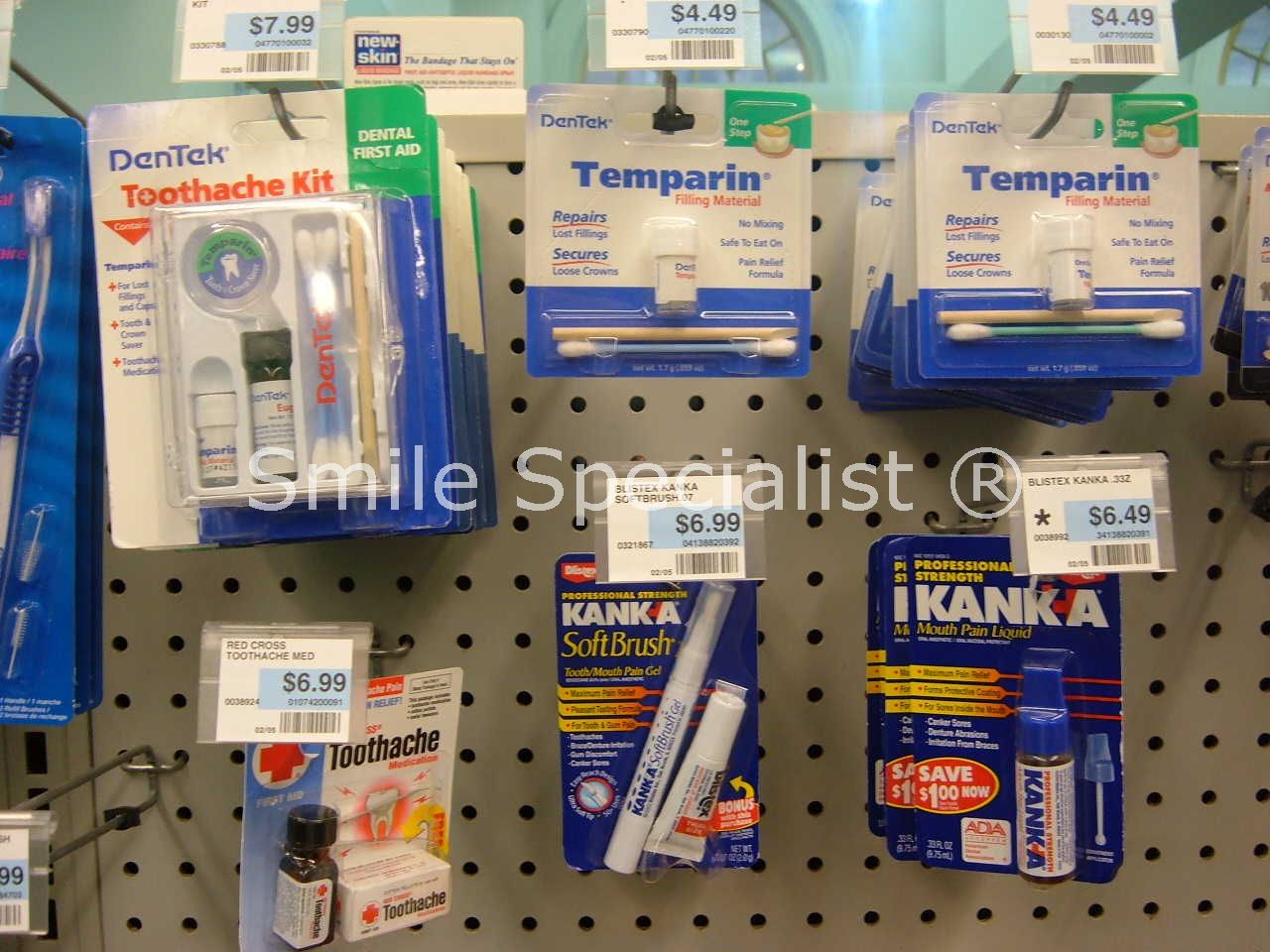
If the crown or bridge seems to fit back properly, soft, non-setting pastes (such as flour and water or denture adhesive) may sometimes be used to hold it temporarily until you can get to a dentist. Remove any loose item before sleeping so you do not accidentally inhale it.
A broken denture is usually not a medical emergency, but it can be very upsetting socially.
- Avoid heavy reshaping or grinding the denture yourself – you may make it impossible to repair properly.
- If you attempt any repair, do so outside the mouth and be aware that super-glue and similar products are risky and may ruin the denture.
- Gums and bone often shrink over time, so repeated fractures usually mean a new, better-fitting denture is needed.
- Check whether your home insurance covers accidental damage to dentures at home.
- Clean dentures over a towel or bowl of water to reduce the risk of breakage if dropped.
A knocked-out adult tooth (with the whole root attached) is an urgent situation. Speed can make the difference between saving and losing the tooth.
- If there was any loss of consciousness, or you suspect other serious injuries, go straight to A&E / call 999 – the medical emergency is more important than the tooth.
- If the person is otherwise well and the tooth has come out whole (not a baby tooth), gently pick it up by the crown (white part), not the root.
- Rinse off obvious dirt with milk or saline, but do not scrub the root.
- Keep the tooth in milk or in the person’s cheek (if they are conscious and not at risk of swallowing it) and seek urgent dental help ideally within 30–60 minutes.
For full details on managing broken and knocked-out teeth, please see our dedicated page on acute trauma and fractured teeth .
Beware of “cheap” dentistry abroad and so-called “Turkey teeth”
We increasingly see dental emergencies and complex problems caused by aggressive or poorly planned treatment abroad – often heavily advertised as “cheap smile makeovers” or “Turkey teeth”. These may involve:
- Extensive trimming of healthy teeth for large numbers of crowns or veneers in a very short time.
- Implants or surgery using different standards, materials or infection control compared with the UK.
- Treatments that are difficult, risky or very expensive to correct later – sometimes even impossible to fix properly.
Prices can look attractive, but follow-up and aftercare are often limited once you are back in the UK. Complications can involve serious infections, ongoing pain and tooth loss, with corrective treatment often costing many times more than doing things properly in the first place.
If you are tempted, please read our full warning page on Dental Dangers Abroad and consider seeking an independent UK opinion first.
The bigger NHS dentistry picture – “The Big Lie”
Many dental professionals believe that the NHS dental system in England has been systemically under-resourced and badly structured for years, despite repeated warnings. This has led to what has been called “The Big Lie” – that NHS dentistry is truly national, preventive and universally available, when in reality access is very patchy.


Sadly, the access problems described in these letters and articles have continued into 2026. As a result, many people are left in pain, turned away, or driven into private care or risky treatment abroad.
Prevention and planning – the best way to avoid emergencies
Almost all common dental diseases are largely preventable. The biggest differences over a lifetime usually come from:
- Seeing a dentist or hygienist regularly for check-ups and personalised prevention advice.
- Keeping sugary foods and drinks to mealtimes and reducing the number of “sugar attacks” per day.
- Brushing twice daily with a fluoride toothpaste and cleaning between the teeth (floss / interdental brushes).
- Not smoking, and limiting alcohol – both affect gum health and oral cancer risk.
- Wearing gumshields for contact sports and addressing teeth grinding or clenching if needed.
We strongly recommend that once any emergency has been dealt with, you commit to finding a dentist who can help you get healthy and stay healthy, whether NHS or private. You may need to travel or invest some time and money, but it is almost always worth it over the long term.
Important notice & disclaimer
This page is written in good faith to help members of the public understand dental emergencies and some possible self-help ideas while they are trying to access care.
- It is general information only and is not a diagnosis, prescription or personalised treatment plan.
- It is not a substitute for being assessed and treated by a qualified dental or medical professional.
- Everyone’s health, medicines and circumstances are different – what is safe or suitable for one person may not be safe for another.
- We cannot accept responsibility for any actions taken based solely on reading this page without seeking professional advice.
If you are unsure what to do, or if your symptoms are getting worse, ring NHS 111, contact a dentist or doctor, or dial 999 in an emergency. It is always safer to ask.
We hope you have found this page useful for general information about dental emergencies and possible self-help hints and tips, if for some reason you cannot access professional advice immediately.
As always, prevention is better (and more pleasant) than cure and we hope that by accessing regular dental care and advice, you maximise dental health and minimise dental problems for yourself and your family, wherever you are in the world. A smile for life is a great gift – some would say it’s priceless!
We are a 100% Private Dental Practice only and we accept patients by Dentist, DCP or self-referral.
However, because you totally fund your time and our expertise, you can be assured that there are no system compromises or restrictions imposed externally upon your dental care at the SmileSpecialist® Centre.
How to find the SmileSpecialist® Centre (map & directions)
The SmileSpecialist® Centre is based at 9–13 Station Road, Haworth, Keighley, West Yorkshire, BD22 8NL – a convenient location between Leeds and Manchester, within reach of Bradford, Halifax and the wider Yorkshire & Lancashire regions. We are opposite the steam railway station at the bottom of the village hill, close to the new Co-op store.

For an improved Smile, find our SmileSpecialist® Centre Dental Practice in Haworth, near Bradford, Blackburn, Leeds and Manchester.
DRIVING
Use our postcode BD22 8NL for your destination, or head towards the Bradford M606 turn-off from the M62 motorway. As you get nearer to Bradford you’ll see signs for Keighley and Haworth, with Haworth being a tourist area for the Brontës and the Steam Railway that still runs.
TRAIN
Get to Leeds central Train Station, then take the Skipton train but get off at Keighley Station – from there it's a short taxi-ride to Haworth (about 10 minutes, around £8). Central Taxis (01535 602 121) are based at Keighley Train Station.
BUS
Get to Bradford or Leeds Bus Station, take the bus to Keighley bus station, then from there the bus to Haworth.
FLIGHT
The nearest airport is Leeds/Bradford (around 45 minutes’ drive away), then Manchester Airport (about 1 hour 20 minutes’ drive away). From there, follow the Bus/Car/Train directions above.
Our SmileSpecialist® Centre Dental Practice is on Station Road, opposite the Steam Railway Station at the bottom of the village hill, just opposite the Co-Op store.
Dr Kilcoyne has won national prizes for the quality of patient services, so you don’t have to compromise. Please do ask your regular Dentist for a Specialist referral to us, or if this is impractical for some reason, you may refer yourself directly.
*Dr Kilcoyne is a fully GDC-registered, trained Dentist and Specialist in the functional & cosmetic aspects of Tooth Implants, Crowns, Bridges, Precision Dentures, Mini-implants, Ceramics, Veneers, Occlusion, Bonding and Restoring Smiles.
Best Wishes from the SmileSpecialist® Centre Team.